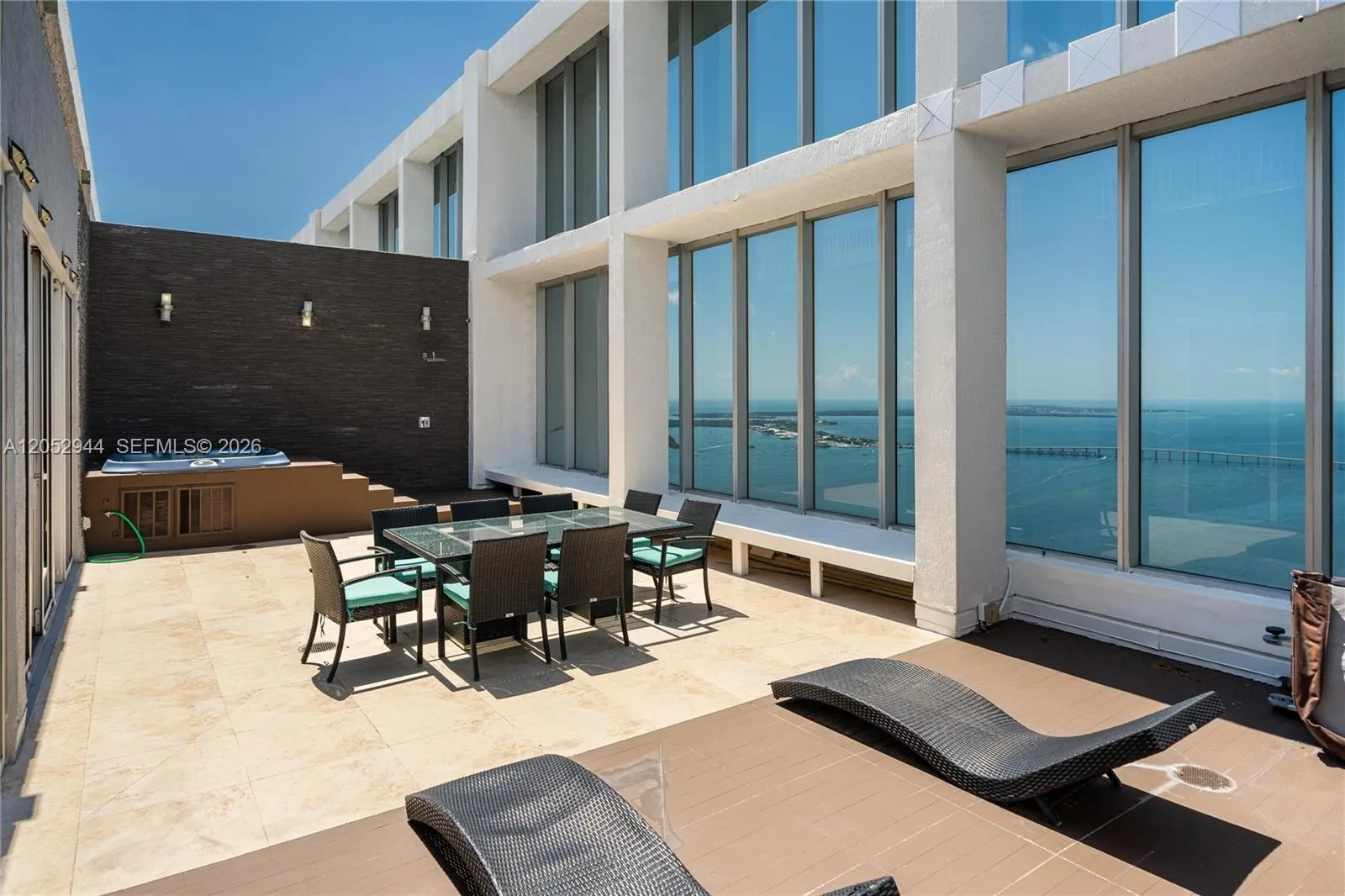
Miami is a condo city. From Brickell's supertall towers to the bayfront glass of Edgewater and the branded oceanfront residences of Sunny Isles, the majority of the city's for-sale inventory is vertical — which means buying here is as much about choosing the right building as the right unit.
This guide walks through what actually matters when buying a Miami condo, in the order it matters.
Start with the building, not the unit
A beautiful renovated unit in a poorly-run building is a bad buy. Before you fall in love with a floor plan, ask about the building's financial health:
- Reserves and assessments. Since Florida's post-Surfside reforms, condo associations must fund reserves and complete milestone structural inspections. Ask for the reserve study, the last two years of financials, and whether any special assessments are pending or planned.
- Recertification status. Buildings over 30 years old (25 near the coast) must pass a structural recertification. A building mid-recertification can mean a large assessment ahead.
- Rental and pet rules. Some buildings cap rentals, require a minimum lease term, or restrict pets — critical if you plan to lease the unit or bring a dog.
Choosing your neighborhood
Each Miami neighborhood is really its own market:
- Brickell — the financial district; walkable, amenity-rich towers, strong rental demand.
- Edgewater — bayfront glass towers, a step down in price from Brickell with open-water views.
- Downtown Miami — the Worldcenter district and newer product at friendlier entry prices.
- Coconut Grove — leafy, boutique, village-scale luxury.
- Sunny Isles Beach — branded oceanfront supertowers.
Browse everything currently available on the Miami condos for sale map.
Financing a Miami condo
Condo financing is stricter than single-family. Lenders review the building as well as the borrower — the owner-occupancy ratio, the percentage of units owned by any single entity, litigation, and reserve funding all affect whether a building is "warrantable." Newer and pre-construction buildings sometimes require larger down payments. A local lender who knows Miami's buildings will save you a failed closing.
What to budget beyond the price
- Closing costs typically run 2–5% for buyers.
- Property taxes are roughly 2% of assessed value annually; budget for the loss of the prior owner's homestead cap once it resets.
- HOA dues vary enormously — a full-service tower with valet, spa and concierge can run several dollars per square foot per month.
- Insurance, including flood in coastal zones.
Work with a broker who knows the buildings
The single most valuable thing a local broker brings to a Miami condo purchase isn't the search — it's knowing which buildings have healthy reserves, which have assessments coming, and which are worth the premium. Representation costs the buyer nothing in the typical transaction.
Ready to start? Contact us and we'll send current availability that fits your budget and building preferences.